Showing posts with label Parents Guide to Cord Blood. Show all posts

List of USA Public cord blood banks

As you knew, Public cord blood banks accept cord blood donations for free. By donating umbilical cord blood, you have chosen to try to help someone in need of a potentially life-saving transplant.

Public cord blood banks that accept cord blood from anywhere in the U.S.

BioE LLC - St. Paul, Minnesota

BioE collects cord blood donations for basic research on cord blood. This program does not require mothers to register in advance or undergo health screening.

Carolinas Cord Blood Bank - Durham, North Carolina

Carolinas Cord Blood Bank is 1 of 3 banks in the NMDP pilot study of MAIL-IN DONATIONS. Eligible mothers must register by the 34th week of pregnancy and pass a health screening.

Celebration Stem Cell Centre - Gilbert, Arizona

The Celebration Stem Cell Centre (CSCC) began operations in Gilbert, a suburb of Phoenix AZ, in Sept. 2010. The bank provides both family storage and public donation of cord blood. CSCC is affiliated with a Translational Research Institute (TRI) that will support projects using cord blood research donations for cardiovascular therapy.

Children's Hospital of Orange County Cord Blood Bank - Orange, California

Children's Hospital of Oakland is famous for offering the nation's first Sibling Donor cord blood program, where families with a child needing transplant could receive free cord blood banking for a new baby.

Cleveland Cord Blood Center - Cleveland, Ohio

Cleveland Cord Blood Center collects donations from two hospitals in the Cleveland area. Advanced registration is not required. The program operates 24/7, but the lab is not open on Sunday. In addition to the US donation inventory maintained by NMDP, Cleveland CBC also participates in the BMDW international registry of cord blood donations.

Community Blood Services - Allendale, New Jersey

Donors can sign up without pre-registration at those participating hospitals that have on-site staff. Mail-in donations are collected from hospitals via the NuvaCord Network.

Cord Blood Bank of Arkansas - Little Rock, Arkansas

The Cord Blood Bank of Arkansas launched operations in 2011, providing both public donation and family banking services. They hope to collect donations statewide.

CORD:USE - Orlando, Florida

CORD:USE was founded by some of the leading doctors in cord blood transplantation. They offer both public donation and family storage. Public donations collected by CORD:USE are sent to the Carolinas Cord Blood Bank, a FACT-accredited program under the direction of Dr. Joanne Kurtzberg. CORD:USE only accepts donations from medical centers where they have trained the staff. The collection may be performed by dedicated personnel or by OB/Gyn's and midwives. CORD:USE training allows staff to either collect cord blood "in utero", prior to delivery of the placenta, or to collect "ex utero", by draining cord blood from the placenta after it has been delivered.

Donor Services of Indiana - Fort Wayne, Indiana

Hospitals that work with Donor Services of Indiana are color-coded primarily as a research donation because they ask all mothers to consent to donate perinatal tissue, while only a small fraction of the births are eligible to donate cord blood to a transplant program. Expectant mothers are approached for consent when they are admitted for labor.

Gift of Life - Boca Raton, Florida

Gift of Life is a non-profit charity that seeks to help Jewish patients find a transplant match. They recruit bone marrow donors and cord blood donations, with their efforts focused on locations with large Jewish populations. Gift of Life operates their own accredited cord blood laboratory that participates in the national NMDP network. In order for their cord blood donations to be listed on the NMDP network, obstetricians who collect for Gift of Life must undergo training and regular proficiency testing.

ITxM: The Institute For Transfusion Medicine - Rosemont, Illinois

The Institute For Transfusion Medicine (ITxM) is the parent company of multiple blood-banking concerns, including two programs collecting cord blood donations from the states IL and PA.

J.P. McCarthy Cord Stem Cell Bank - Detroit, Michigan

The J.P. McCarthy cord blood bank was founded in memory of a morning radio show host in Detroit. It is run by the Karmanos Cancer Institute.

LifebankUSA - Cedar Knolls, New Jersey

This mail-in donation program requires registration at least 4 weeks prior to delivery and mothers must pass a health screening. LifebankUSA and its parent, Celgene Cellular Therapeutics, are the only USA organization doing research on the combined therapeutic potential of stem cells from cord blood plus stem cells from placental blood. They need donations of both cord blood and placentas, to supply their clinical trials that may help patients with the following conditions:
  • Crohn's Disease
  • Rheumatoid Arthritis
  • Multiple Sclerosis
  • Ischemic Stroke
LifeCord - Gainesville, Florida

LifeCord public cord blood bank is a program of LifeSouth Community Blood Centers, developed in cooperation with the University of Florida College of Medicine and the Shands at UF Stem Cell Laboratory. The medical director of LifeCord is Dr. John Wingard, director of the stem cell transplant program at Shands.

Lifeforce Cryobanks - Altamonte Springs , Florida

In 2003 Lifeforce Cryobanks became the first public bank enrolling mothers to mail in donations. Those donations that cannot be accepted for unrelated transplants are either sold for research or discarded. Parent enthusiasm for this program has always exceeded the company's ability to accept donations.

M. D. Anderson Cord Blood Bank - Houston, Texas

M.D. Anderson Cord Blood Bank is 1 of 3 banks in the NMDP pilot study of MAIL-IN DONATIONS. Eligible mothers must register by the 34th week of pregnancy and pass a health screening.

Michigan Community Blood Centers Cord Blood Bank - Grand Rapids, Michigan

Michigan Cord Blood Bank mails the donation kit to the expectant mother but only accepts collections from deliveries at selected hospitals.

Midwest Cord Blood Bank - Indianapolis, Indiana

The Midwest Cord Blood Bank will accept donations from anywhere in the state of Indiana. However, due to medical regulations, they can only list collections for transplant use if they come from hospitals that have an IRB (Institutional Review Board) approval. Donations from other hospitals are stripped of donor identity and designated for research use only.
-->
NY Blood Center National Cord Blood Program - Long Island City, New York

Collection hospitals for the NY Blood Center do NOT require advance registration: mothers can give a partial consent to collect the cord blood during labor, and only if the collected cord blood is suitable for transplantation will the mothers will be given additional education and asked for a final banking consent post-delivery.

Puget Sound Blood Center - Seattle, Washington

The Puget Sound Blood Center (PSBC) collects cord blood donations directly in Washington state, and also receives donations from collection programs in Oregon and Hawaii.

Saneron CCEL - Tampa, Florida

This mail-in donation program does require advance registration, but it can take place after 35 weeks and almost up to the time of birth, so long as the application is processed in time. The donated cord blood is used in animals for disease research. Parents can earmark their cord blood to be used towards a particular Saneron CCEL research program that they wish to support.

St. Louis Cord Blood Bank - St. Louis, Missouri

St. Louis Cord Blood Bank accepts cord blood donations from hospitals within a 150 mile radius, in both Missouri and Illinois.

StemCyte - Covina, California

StemCyte is a global company. StemCyte participates in the US network of public cord blood banks operated by NMDP, plus StemCyte operates the national cord blood bank of Taiwan, whose units are listed with NMDP. The StemCyte lab in Southern California is accredited under the international FACT/Netcord standards, and provides both public donation and family storage for US parents. Note that, under FACT accreditation, cord blood donations can only be accepted at times when there are dedicated collection personnel on duty.

Texas Cord Blood Bank - San Antonio, Texas

Texas Cord Blood Bank at the South Texas Blood & Tissue Center is 1 of 3 banks in the NMDP pilot study of MAIL-IN DONATIONS. Eligible mothers must register by the 34th week of pregnancy and pass a health screening. The Texas Cord Blood Bank can only accept donations on weekdays.

University of Arizona Cord Blood Bank - Tucson, Arizona

The University of Arizona has been collecting cord blood donations purely for research from the University of Arizona Medical Center since the 1990's. Researchers at the U. of Arizona seek to develop regenerative medicine therapies that rely upon the stem cells in cord blood.

University of Colorado Cord Blood Bank - Aurora, Colorado

The University of Colorado Cord Blood Bank (UCCBB) is operated by ClinImmune Labs, an academic-based biotechnology company.

University of Iowa Cord Blood Bank - Iowa City, Iowa

The University of Iowa collects cord blood donations specifically for disease research, not transplants.

-->
Source: http://parentsguidecordblood.org
More ...

Enrollment in the Cord Blood and Cord Tissue Stem Cell Service

  • Enroll Online
    The online enrollment process is convenient and simple. Provide us information about yourself and your healthcare provider. It takes approximately 10 minutes to complete.
  • Enroll by Phone
    Call them at your convenience and in the comfort of your surroundings -- any time of day or night, 24/7. Please provide them with your details so that their Cord Blood Banking Consultant can contact you to arrange for a private consultation.

  • Print Enrollment Form
    You can also download our enrollment form so that you can fill out offline.
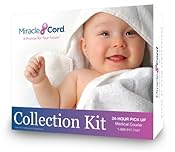
After you enroll you will receive a kit with everything you and your doctors need for a successful cord blood collection. You’ll keep your kit with your prepacked hospital luggage so it will be ready when the big day arrives.
-->
After your baby is born, your obstetrician or midwife will clamp and cut the cord and then collect the cord blood. The blood will flow into the bag by gravity until it stops. The actual collection typically takes two to four minutes.

After the cord blood has been collected, the blood bag is then clamped, sealed, and clearly labeled for easy identification. Your baby’s cord blood will then be transferred to a processing facility by private medical courier for processing and storage. Collection, processing, and preservation methods vary depending on which cord blood company your family chooses.

Families who bank enjoy the peace of mind of knowing that their baby’s cord blood is available should the need for a medical transplant ever arise.

Cord Blood Foundation recommends that parents select a Family Bank whose laboratory has been inspected and accredited by an accreditation agency specific to cord blood banking, as this provides a degree of quality assurance.
-->
More ...

What are clinical trials and how do I find one?

Clinical Trial by John Egerton
Many patients who receive bone marrow or cord blood transplants (also called BMT) are asked to consider being part of a clinical trial during their treatment.

Although there are many definitions of clinical trials, they are generally considered to be biomedical or health-related research studies in human beings that follow a pre-defined protocol, includes both interventional and observational types of studies. Interventional studies are those in which the research subjects are assigned by the investigator to a treatment or other intervention, and their outcomes are measured. Observational studies are those in which individuals are observed and their outcomes are measured by the investigators.
-->
Participants in clinical trials can play a more active role in their own health care, gain access to new research treatments before they are widely available, and help others by contributing to medical research. All clinical trials have guidelines about who can participate.

If you decide to take part in a clinical trial, you should understand that:

  • The treatment being tested may or may not help you. You may get better, you may see no change or you may get worse.
  • Your participation helps doctors learn more about the treatment being tested. This knowledge may help many patients in the future. It may not help all the patients who are in the trial.
  • Some trials offer experimental treatments that you cannot receive outside the trial. Other trials compare standard treatments that you may be able to receive without being in the trial.
  • In a randomized trial, you may receive the treatment being tested or you may receive the standard treatment. You will not know ahead of time which treatment you will receive.
The FDA and the Office of Human Research Protections require that patients give informed consent before joining a clinical trial. Informed consent means that the patient has been told about and understands the possible risks and benefits before agreeing to be in the trial.

You can begin your search for a clinical trial by talking to your doctor. You can also find out about clinical trials using resources on the Internet.


  • Transplant-related trials conducted by the National Marrow Donor Program® (NMDP)* or BMT CTN.
  • http://www.bmtctn.net - Blood and Marrow Transplant Clinical Trials Network (BMT CTN) website. BMT CTN sponsors transplant-related clinical trials.
  • http://www.clinicaltrials.gov - Database of clinical trials maintained by the National Institutes of Health.
  • http://cancertrials.nci.nih.gov - Database of cancer clinical trials maintained by the National Cancer Institute (NCI). This website also has information about NCI Cooperative Cancer Centers, where many clinical trials are done.
  • http://www.cancertrialshelp.org - Coalition of National Cancer Cooperative Groups website. This site has information about groups that operate clinical trials that include several medical centers working together.


Reference: http://marrow.org
-->
More ...

How is Cord Blood Collected?

-->
Cord blood is the blood left behind in the placenta and umbilical cord after the birth of a baby. It is a rich source of blood-forming stem cells that can be used instead of bone marrow transplants in children. Cord blood research throughout the world continues to explore its potential but there are no guarantees yet that it can prevent or cure the range of disease that some claim it can.

Many parents are beginning to realize the unique opportunity that is offered to them following their baby’s birth. A simple procedure that does not affect mother or baby is used to drain the stem-cell-rich blood from the umbilical cord and placenta after birth. This cord blood can then be banked and could prove vital in years to come.

The collection process is easy and painless, and does not interfere with the delivery or subsequent care for your newborn. After your baby is born, but before the placenta is delivered, your obstetrician or midwife cleans a four- to eight- inch area of umbilical cord with antiseptic solution and inserts the blood bag needle into the umbilical vein. The blood flows into the bag by gravity until it stops, after which the collection is complete. The blood bag is clamped, sealed, and labeled. The collection typically takes two to four minutes. Three tubes of maternal blood are also drawn for testing.

Part of the cord blood donation process includes a review of the mother's health history. Donors must usually be 18 years old or older and in good health. Those who have or are at risk for infectious disease such as HIV/AIDS, or viral hepatitis are not eligible to donate. Mothers should speak with their health care provider when considering donation.

-->
More ...

Factors Considered When Choosing a Private Cord Blood Bank

There are numerous private blood banks throughout the world, however, and the main factors for comparison are generally location, accreditation, and fees. Some of the other factors you might consider include blood cell storage, shipping processes, laboratory testing, and how long the blood bank has been storing blood. You can always request a copy of the contract for potential blood banks you are considering so you can compare details such as consumer rights.

Location
There are many private banks throughout the world, so your cord blood bank comparison should start by determining which banks serve your location. If you choose a blood bank that is close to your selected hospital, then fewer blood cells have a chance to die during transportation. Also, some hospitals have contracts with specific private banks, so you should check if your hospital only collects blood for certain banks.

Length of time in business and reputation
All operating information concerning the business should be available in the information/enrollment packet or online at the business’s website. Check the Better Business Bureau online for any reported problems or complaints from customers. Any reputable facility will want to share its business record and customer approval information with you; this includes a guided tour of their facility if location and time permit.

Financial stability
Make sure the company you select to bank your precious cord blood is financially stable. You don’t want to find out that the company you’ve picked may someday go out of business. All financial and annual reports should be made available to you. Check to see that the business is frequently audited and has shown a positive, consistent record of financial stability.

Licensing and accreditation
Accreditation is another factor to consider in your cord blood bank comparison, if it is applicable in your geographic area. In order for a bank to be accredited, it must pass laboratory inspection by an accreditation agency. In the United States and Canada, a company called AABB will typically inspect the blood banks. In the United Kingdom, accreditation can be done through the Human Tissue Authority (HTA), and in many other countries it is done through the International Organization for Standardization (ISO).

Collection, processing and storage methods
Further factors to consider in your cord blood bank comparison include shipping processes, laboratory testing, and how long the bank has been storing blood. Not all private banks provide transportation to ship your cord blood from the hospital to the bank, so if it is not included, you will have to find your own medical courier. The testing done at the laboratory can vary, so you can check if the bank tests for infectious diseases and if it will reject contaminated blood. Also, you can compare how long a bank has been collecting and storing blood to get an idea of how much experience it has and the stability of the company.

On-site processing or outsourced processing
The fewer hands and locations your cord blood sample has to go through to be tested, processed and stored, the less likely there will be mistakes, confusion and accidents.

Collection kit instructions
All instructions should be easy to read. Many companies accompany their collection kit with an educational video demonstrating the collection procedure. Also check to see that a 24/7 cord blood educator or support staff is available in the event there are any questions or procedural issues that need to be answered or addressed.

Staff availability
The company you select should have a support staff or cord blood educator available 24/7 in the event you have additional questions before, during or after the delivery of your baby.

Collection return
It’s mandatory that the company you select has an efficient, reliable courier or delivery service that provides timely return of your cord blood sample for testing, processing and storage.

Payment plans
Depending on your financial situation, the cost of the private bank might be of concern. Many private banks offer flexible payment plans and financial options that could make privately banking your baby’s cord affordable for you. Request that a completely printed explanation be sent to you of all expected charges for your cord blood banking.

Copy of the contract
You should request a copy of the contract for any blood banks you are considering so you can compare details such as consumer rights. The contract should explain what will happen if the company goes out of business, your storage fees are not paid, or your cord blood gets lost. It should also explain the privacy policies of the blood bank. Thoroughly reading private banks’ contracts will allow you to do a detailed cord blood bank comparison before signing one.

Reference:

  • www.womens-health.co.uk
  • www.wisegeek.com


More ...

Cord Blood Transplant Procedure

There are several steps in the cord blood transplant process. The steps are much the same, no matter what type of transplant you are going to have.

The cord blood transplant procedure is performed one to two days after preparation for the transplant has been completed.

You will first be evaluated to find out if you are eligible for a transplant. Also known as "Day Zero," it is common for the patient to feel fatigued and to still be experiencing symptoms of the preparatory regimen. Also Many different medical tests may be done, and questions will be asked to try to find out how well you can handle the transplant process.

If the stem cells being used for the cord blood transplant procedure are from an adult donor, the donation will be completed on the day of the transplant. However, if umbilical cord stem cells are being used, they will be transferred to the transplant center prior to the transplant procedure.

Stem cells are stored in blood bags and their appearance (color and fluid amount) will vary depending on whether the cells are derived from bone marrow, umbilical cord or peripheral blood, and whether or not the cells have been filtered.

During the transplant procedure, the cells are infused (transmitted into the body) using an IV line, similar to a blood transfusion process. This is usually fed through a central line - that is, a tube surgically implanted into the vein in the chest.

The transplant procedure usually lasts one hour and is generally painless. A nurse monitors the patient's pulse as well as blood pressure. During the procedure, the patient is awake, but a mild sedative might be administered.

After the transplant, the donated cells move through the bloodstream and settle in the bone marrow. They begin to produce red and white blood cells as well as platelets, a procedure that is known as engraftment.

After engraftment occurs, the patient's blood cell count will continue to rise, resulting in increased immune system strength. However, the patient's immune system will be weaker than average for several months following a cord blood transplant.

While still in the hospital, the patient's body temperature will be taken four times a day, as fever is an indicator of infection. The patient will usually be given antibiotics and will be monitored for pneumonia. Blood tests will also be performed in order to evaluate the patient's recovery and monitor potential complications.

After leaving the hospital, the patient should follow certain special care instructions in order to ensure proper recovery. This is because the individual is more prone to infection at this time.

Your transplant team is still available to help you. It is important that you talk to them about any problems you are having – they can help you get the support you need to manage the changes that you are going through.

Reference: www.pregnancy-info.net

More ...

Choosing A Cord Blood Bank in Canada

Cord blood banking in Canada is primarily conducted by private cord blood banks, which require payment in order to store a child's cord blood stem cells. Recently, however, the government has launched an initiative that will fund the creation of a national public cord blood bank.

In Canada, Health Canada inspects facilities to determine whether the cord blood bank meets specific requirements set forth by the federal government. As U.S. cord blood banks will have different quality standards, it is recommended that Canadians should use a cord blood bank that is based in Canada.

As most U.S. cord blood banks advertise in Canada, the expectant parents should take care to ensure that the facility performing the procedure is based in Canada, and that they are not simply making a call to the U.S. or to a branch office of a U.S. company.

AABB (American Association of Blood Banks) , the largest international accreditation body for hematology labs, including blood banks and cord blood banks inspects and accredits cord blood banks that have met their stringent standards. It is recommended that parents only choose from AABB accredited cord blood banks .

Cord blood banks require the expertise of Ph.D. scientists and M.D. physicians. By law, an AABB accredited facility will meet such requirements.

Important not to rely too much upon a list of names as part of a "board of advisors", or as directors, but typically, these are only individuals who lend their name in exchange for an honorarium, and do not contribute to the quality of the cord blood bank itself., but to focus on the merits of the company and the information provided on the site itself as an indicator of the quality of the company. There will typically also be more variability in quality in U.S. facilities, and again, Canadian parents are advised to bank within the border.


More ...

Unfavorable Aspects of Cord Blood Transplants from Unrelated Donors..!

A cord blood transplant may give the patient one of the rare genetic diseases of the blood or immune system. Families who donate cord blood are asked about their ethnic background and family history of genetic diseases. Cord blood is tested for common genetic diseases such as sickle cell anemia. And we obtain information about diseases that may be found in the infant before he or she is sent home after birth. However, some genetic diseases may not be apparent in the child for months or years and will not be found or even suspected by current screening methods. At present, it is also not possible to test for all of these rare diseases. Thus, there is a chance that a cord blood transplant may transmit to a patient a rare serious genetic disease that was not recognized beforehand.

The main disadvantage of cord blood is that the volume collected is fixed and relatively small. Therefore, the number of stem cells available for transplantation is low compared to the number of cells that can be collected in customizable bone marrow or peripheral blood stem cell harvests.

The average total nucleated cell dose (number of nucleated cells per kilogram of the patient's weight) in a cord blood graft, for example, is less than about 1/10th that of the average bone marrow graft. As a consequence, engraftment (the return of nucleated blood cells, red blood cells and platelets) to the patient’s blood is slower with cord blood than with bone marrow transplants. Cord blood transplant patients, therefore, may be more vulnerable to infection in the first two to three months after their transplant. This problem is greatest for adolescents and adults because they require a relatively large number of cells.

Another disadvantage of cord blood is that the donor cells come from a newborn infant that will not be available for an additional donation of cells or bone marrow. In bone marrow transplants, on the other hand, the donor may be asked to make a donation of white blood cells (T-lymphocytes or T-cells) to help fight a recurrence of leukemia or development of lymphoma. Or a second marrow donation might be needed if the first one fails to engraft.

T-cell donations and second transplants from the same donor are not available with cord blood. Another cord blood unit from a different donor would have to be given if the first one fails.

Source: www.nationalcordbloodprogram.org


More ...

How and Where to Donate Your Baby’s Cord Blood

Cord blood stem cells have been successfully used in transplant medicine. Cord blood has been used to treat many life-threatening diseases including leukemia, other cancers, blood disorders, metabolic disorders, and immune diseases.

Cord blood also is being used in regenerative medicine research, where stem cells are being evaluated for their ability to induce healing and regenerate cells to repair tissues. Clinical trials are evaluating a child's own cord blood stem cell infusions as experimental therapies to treat cerebral palsy, brain injury, juvenile diabetes, and acquired hearing loss.

Donating your baby’s umbilical cord blood to a public cord blood bank can give hope to someone in need. To protect the health of patients who may receive donated cord blood, only cord blood units that meet our strict quality standards will be stored and listed on the Be The Match Registry for patients in need of a transplant.

How to Donate Cord Blood
Get started by finding out whether the hospital where you plan to deliver your baby collects cord blood for public donation.

Look up your state on a searchable map of donation locations provided by the Parent's Guide to Cord Blood Foundation.

If your hospital is listed, contact the public cord blood bank that works with your hospital for more information. (A few hospitals allow mothers to enroll at the last minute when they arrive for labor, but most programs require advance enrollment.)

If your hospital doesn't collect cord blood on site, you can still donate by enrolling in a mail-in donation program. The Parent's Guide to Cord Blood provides a map and list of public banks that accept mail-in donations of cord blood.

Pick a bank from the list, contact the bank, and the bank will lead you through the process. The first step is for the mother to enroll and receive a collection kit. Her healthcare provider (who can be a midwife or doula) is then required to take training on the use of the kit. After the cord blood is collected, the kit is shipped to the bank.

Most public cord blood banks and hospitals need several weeks before your baby arrives to check your health history and eligibility to donate, so you should enroll before week 36 of pregnancy. You'll also want to discuss your desire to collect and donate your baby's cord blood with your healthcare provider, and make sure your provider knows how to collect cord blood.

Public cord blood banks also evaluate the history or risk of sexually transmitted infections and the circumstances and timing of ear, skin, and body piercings.

Collect your baby's umbilical cord blood

Your healthcare providers collect your baby's umbilical cord blood shortly after your delivery. The umbilical cord is clamped and cut. Then the blood is drained from the cord and placenta into a storage bag or vials, using gravity or a syringe.

Cord blood units donated to public cord banks are collected under strict quality standards to provide the best possible results for transplant patients. After the blood is collected, it's sent to the cord blood bank for testing and storage. (Cord blood units that are stored privately cannot later be transferred into the Be the Match Registry for public use.)

After that, A lab runs tests on the cord blood, If the cord blood doesn't meet transplant standards, it will be used for research or discarded. If the cord blood does meet transplant standards, it's stored in a cryogenic nitrogen freezer at a cord blood bank and made available to patients needing transplants.


More ...

Bone Marrow Transplant or Cord Blood Transplant as a Treatment

A bone marrow transplant (also called a BMT) or umbilical cord blood transplant replaces diseased blood-forming cells with healthy cells. Diseases that may be treated with a bone marrow or cord blood transplant include:
  • Leukemias and lymphomas
  • Multiple myeloma and other plasma cell disorders
  • Severe aplastic anemia and other marrow failure states
  • Sickle cell disease and thalassemia
  • Inherited immune system disorders, such as severe combined immunodeficiency (SCID) and Wiskott-Aldrich syndrome
  • Inherited metabolic disorders, such as Hurler's syndrome and leukodystrophies
  • Myelodysplastic syndromes
The healthy cells for a transplant can come from three sources:

  • Bone marrow
  • Peripheral (circulating) blood that has an increased number of healthy blood-forming cells (also called peripheral blood stem cells or PBSC)
  • Umbilical cord blood that is collected after a baby is born

If you need a transplant, your doctor will choose the source of the cells. Your doctor will also decide whether to use cells collected from you or another person.

  • An autologous transplant uses cells collected from your body.
  • An allogeneic transplant uses cells donated from a family member or an unrelated marrow donor or umbilical cord blood unit.

Your doctor decides on the cells used for transplant based on your disease, other treatments you have had, and your overall health.

When a bone marrow or cord blood transplant is being considered as a treatment option, it is helpful to understand the transplant process.

Your Doctor Searches for a Marrow Donor or Cord Blood Unit
If you need an allogeneic transplant, your doctor will look for a marrow donor or cord blood unit that matches your HLA tissue type. HLA stands for human leukocyte antigen, a marker your immune system uses to recognize which cells belong in your body and which do not.

If a donor is not found in your family, your doctor can search for an unrelated donor or cord blood unit through the registry of the C.W. Bill Young Cell Transplantation Program, also called the Be The Match Registry®. The registry is a listing of potential marrow donors and donated cord blood units.

The registry is operated under Federal contracts by the National Marrow Donor Program® (NMDP). The NMDP has agreements with its global partners that provide access to more than 18.5 million potential marrow donors and more than 590,000 cord blood units.

Your Body is Prepared for a Transplant
Before your body can receive the healthy cells, the diseased cells must be destroyed. This is done using chemotherapy and sometimes radiation. The destruction of diseased cells is called a preparative regimen or a conditioning regimen.

You Receive the Cells for the Transplant
On the day of transplant, the cells from the marrow donor or cord blood unit are infused intravenously (go into your body through a large vein). These healthy cells move into the spaces inside your bones where they create new marrow. They grow and make healthy new red blood cells, white blood cells, and platelets.

Reference: http://bloodcell.transplant.hrsa.gov
More ...

How Much Does Cord Blood Banking Cost?

Cord blood, which is harvested from the umbilical cord right after a baby is born, is marketed as a treatment for diseases such as leukemia and sickle cell disease, and as a potential source of cells for regenerative medicine – a cutting-edge field of medicine studying how to repair tissues damaged by everything from heart disease to cerebral palsy.

In previous articles we say that,Cord blood can be banked 2 ways – in public banks for use by anyone in need whose cell type is a match, and in private banks where it is only available to the family of the child who donated.
Talking about costs, Public cord blood banking is free while collection and storage costs at private cord blood banks are high. Private cord blood banking costs $2,000 to $3,000 for the initial fee, and around another $100 per year for storage.

It is common for storage facilities to offer prepaid plans at a discount and payment plans to help make the initial storage a more attractive option for you and your family.


List of Private Cord Blood Banks in the United States

The comparison table below is a complete list of private cord blood banks in the United States. The table shows cord blood cost as well as other important information to consider when choosing a cord blood bank for you and your family.

CompanyAccreditationTotal 1st Year CostsAnnual
Storage Fee
AlphaCordAABB$890*$115
AssureImmuneNone$1,975$150
CorCell (Cord Blood America)AABBUnavail.Unavail.
Cord Blood RegistryAABB$2,195$125
Cord Blood SolutionsAABB$1,795$125
Lifeforce CryobanksAABB$1,399$120
CryoCell InternationalAABB$1,720$125
DomaniCellNoneUnavail.Unavail.
Elie KatzAABB$1,770$120
FamilyCordAABB$1,975$125
HemaStemAABB$1,700$130
LifeBankUSAAABB$1,900$125
LifeLine CryogenicsAABB$1,350$115
LifeSourceNoneUnavail.Unavail.
M.A.Z.E. LabsAABB$2,010Free
NeoCellsNone$1,295 + Shipping$115
New England Cord Blood BankAABB$1,975$125
PacifiCordCB, AABB$2,450$150
Regenerative Medicine Institute (RMI)Unavil.Unavail.Unavail.
StemCyteAABB, FACT$2,125$125
Stork MedicalAABB$1,700$108
The Genesis BankAABB$1,275$125
Utah Cord BankNone$1,025$85
ViaCordAABB$2,250$125
Xytex Cord Blood BankAABB in progress$1,525$100
*AlphaCord has multiple labs and thus cost varies based on the lab. Total first year costs are between $890 - $1,510 depending upon the lab chosen.

Source: http://www.bankingcordblood.org


More ...

Public Cord Blood Banking vs Private or Family Cord Blood Banking

Public Cord Blood Banking vs Private or Family Cord Blood Banking
Every year thousands of Americans seek an unrelated stem cell donor. Cord blood does not have to be exactly matched to the patient, and hence, cord blood donations are particularly important to provide transplants for patients who are of minority or mixed heritage. However, there is no guarantee that the cord blood will be used in the future.

Should you consider donating your infant's cord blood to a public bank? Or should you bank it for your own family's use? Here is information that may help you decide.

Public Cord Blood Banking
Public cord blood banks collect and store donated cord blood stem cells for use for those who are in need of a stem cell transplantation and are a close enough match to the cord blood donor. Transplantations are anonymous and no information about your baby is provided to the patient receiving the cord blood.

Both the American Academy of Pediatrics (AAP) and American Medical Association (AMA) recommend public cord blood banking over private cord blood banking. The reason is:
  • Public cord blood banking is free.
  • Public cord blood banking makes stem cells available to anyone who needs them.
  • Public cord blood donation will increase the number and diversity of cord blood units available for patients. Widespread donations by minorities will expand the available pool of minority cord blood units in the public system and make it easier for the following groups to find matches:
    • American Indians and Alaska Natives
    • Asians
    • African-Americans
    • Hispanics
    • Native Hawaiians and Pacific Islanders
    • People who are multiracial
    If you choose to donate cord blood for public use, you should be aware that the blood will be tested for both genetic abnormalities and infectious diseases. If any are found, someone will notify you.
Private or Family Cord Blood Banking
Private cord blood banking provides you with the option to have your baby’s cord blood collected and stored for your baby or another close family member if ever needed. Whereas publicly donated cord blood is used for unrelated transplants and research, cord blood stem cells stored with a private bank are available for the exclusive use of your family. Banking your baby’s cord blood in a private bank provides an exact match for your baby and can potentially be a match for siblings and parents.

The American College of Obstetricians and Gynecologists (ACOG) neither recommends nor advises against cord blood banking. But along with the AAP and AMA, it cautions parents about private cord blood banking. The reason is:
  • Collection and storage costs at private cord blood banks are high.
  • Other effective treatments may be available that are less expensive.
  • The chance of privately banked cord blood being used by your child is extremely low.
  • Stem cell transplant using an individual’s own cord blood (called an autologous transplant) cannot be used for genetic disorders such as sickle cell disease and thalassemia, because the genetic mutations which cause these disorders are present in the baby's cord blood. Other diseases that are treated with stem cell transplant, such as leukemia, may also already be present in a baby’s cord blood.

Choosing either a public or private cord blood bank is a personal decision that you should make for yourself after reviewing information and having a discussion with your health care provider.


More ...

Umbilical Cord Blood Transplants

Umbilical Cord Blood: A Future for Regenerative Medicine by Suzanne Kadereit


Umbilical cord blood is playing an important and growing role in the treatment of leukemia, lymphoma and other life-threatening blood diseases.

Researchers at the Fred Hutchinson Cancer Research Center have found a way to make umbilical cord blood transplants safer and more effective. *)http://www.cancer.org

The technology, developed in the lab and being tested in a phase I clinical trial of leukemia patients, expands the number of stem cells in a unit of cord blood to give patients a safer, more rapid engraftment and recovery after a transplant. The research -- published this week in Nature Medicine and supported by grants from the American Cancer Society, National Institutes of Health (NHLBI), and the Damon Runyon Cancer Research Foundation -- offers potential promise to leukemia patients in need of intensive treatment.

If you have been told a bone marrow transplant is a possible treatment for your disease, a cord blood transplant may be an option. Umbilical cord blood is one of three sources for the blood-forming cells used in transplants. The other two sources are bone marrow and peripheral (circulating) blood.
Bone marrow transplants are similar to stem cell transplants. They are a way of giving very high dose chemotherapy, sometimes with radiotherapy, to try to cure some types of cancer. Because higher doses of treatment can be given, there may be more chance of curing a lymphoma.

The use of cord blood transplants has grown for both children and adults. Cord blood is used more often in children because a cord blood unit has a limited amount of blood-forming cells. Smaller patients need fewer cells and larger patients need more cells. Because some cord blood units may not have enough cells for larger patients, they are sometimes transplanted using two or more cord blood units combined.

Another method being studied is to grow the number of cells in a cord blood unit in a laboratory before giving it to the patient.

Reasons doctors may choose cord blood

When your doctor contacts the NMDP to search the Be The Match Registry, he or she will choose the best cell source for you. That may be marrow or peripheral blood from an adult donor or it may be a cord blood unit. A doctor might choose cord blood because of some of the ways it differs from marrow or peripheral blood.

  • More tolerant matching - A close match between the patient and the donor or cord blood unit can improve a patient's outcome after transplant.
  • More quickly available - Your doctor may choose cord blood if you need a transplant quickly.
  • Less graft-versus-host disease - Graft-versus-host disease (GVHD) is a common complication after an allogeneic transplant (which uses cells from a family member, unrelated donor or cord blood unit).

Reasons doctors may not choose cord blood

There are also reasons a doctor may choose not to use cord blood for a transplant, including:

  • Number of Cells - There may not be enough blood-forming cells in a cord blood unit for the size of the patient.
  • Time to Engraft - It usually takes longer for cord blood cells to engraft (begin to grow in the patient and create new blood cells and an immune system). Until the cells engraft, the patient is at a high risk for infection.
  • Backup Cells - Patients cannot get backup cells from the same cord blood unit. If a patient's transplanted marrow or peripheral blood cells do not engraft or the patient relapses, the patient may be able to get a second donation from the same adult donor. After a cord blood transplant, this option is not available. However, doctors may be able to use a different cord blood unit or a backup adult donor instead.
  • Newer Option - Cord blood is a newer treatment approach for transplant. Doctors do not have as much information about patients' long-term results after cord blood transplants as they do for marrow transplants.

Cord blood transplants also have all the same risks as marrow and peripheral blood transplants. The risk of infection may be higher after a cord blood transplant because of the longer time to engraft. The risk of GVHD may be lower, but the risk is still there.

If you have questions about whether a cord blood transplant is right for you, talk with your transplant doctor. Every patient's situation is different. Your transplant doctor knows your situation and can help you make choices about your treatment.

Reference: http://marrow.org


More ...

A Guide to Private Cord Blood Banking

A Guide to Private Cord Blood Banking

When it comes to saving your baby’s cord blood, the more you know the better. Cord blood, which contains stems cells that can treat a host of diseases, can be stored in a private or public bank. What should you take into account as you make your decision about where to store your baby’s cord blood?

The first one I wanted to mention that, Cord blood banking is a business, and businesses do go bankrupt. Fortunately, if a cord blood bank does go out of business, invariably another company takes over their frozen inventory.

While it is reassuring that parents would not lose their child's cells, it's not desirable to have them moved from one lab to another, and, worse, to speculate whether they were maintained properly in the waning days of the failed company.

The American Academy of Pediatrics suggests that you consider private cord banking if you have a family member with a disease that may be treatable with stem cells. That’s because your baby’s cord blood may be a better match for that sick family member than a nonfamilial donation.

For a fee, a private cord blood bank will collect, process, freeze, and store your baby's stem-cell-rich umbilical cord blood for your family's future medical use.

How to Choose a Private Cord Blood Bank

Step 1: Talk with your practitioner about private cord blood banking. It’s best to discuss the issue early in your second trimester so that you have more than enough time to make your decision (even though it may be difficult to think about your baby’s cord blood when you haven’t even felt those first little kicks yet!).

Step 2: Make sure your practitioner is willing and able to collect the cord blood. It’s rare that a doctor or midwife couldn’t (or wouldn’t) do this simple and quick procedure, but he or she may charge you a fee.

Step 3: Do your research. Any cord blood bank you’re considering should be accredited with the American Association of Blood Banks (AABB), which has a list of accredited banks. You can also visit parentsguidecordblood.org, a site that offers detailed information about every private (and public) bank in the US.

Step 4: Decide on a private cord blood bank. Ideally, you’ll want to enroll with your bank of choice by the end of your second trimester or week 27 (since babies can be born early), but if that’s not possible, aim to sign up before week 34. Most banks charge a collection fee of $1,500 to $2,000, and a yearly fee of about $125, and many offer payment plans. And if there is a pressing family medical need (such as a family member who’s in need of a transplant), some private banks offer free or discounted banking.

Step 5: Wait for your cord-blood collection kit in the mail. Once you sign up, the cord blood bank will mail you a collection kit so that you’ll have it ready for the big day (or night!). The kit will probably have a medical form for you to fill out, plus sealed medical supplies your practitioner will use to collect the cord blood. Fill out the form, sign it, and put it back in the kit (but leave the kit’s medical supplies sealed). Pack the kit away in your hospital bag so you won’t have to scramble to find it.

Step 6: Call the bank when you’re in labor (or when you get to the hospital). You’ll probably want to assign this task to your spouse since you’ll probably be a bit (or very!) distracted. Once the bank gets your call, it’ll arrange for a courier to pick up your cord blood after it’s collected.

Step 7: Give the cord-blood kit to your practitioner (or the staff). This will remind him or her about your cord blood banking decision, and it will alert the medical staff that they’ll need to collect some blood from you before delivery (the kit comes with the materials your practitioner will need to collect and send in your blood).

Step 8: Give birth! Right after you deliver (whether it’s a vaginal or cesarean birth), your practitioner will clamp the umbilical cord (a painless, safe, and easy process) and collect the cord blood with the supplies provided in your kit. (You won’t even notice this is happening. You’ll be gazing at that baby!) Your partner can even cut the cord because that doesn’t affect the collection process.

Step 9: Hand off the cord blood kit. Your practitioner or the medical staff will give the cord-blood kit to a secure courier who sends the kit off to the laboratory for storage. It will arrive at the lab no later than 36 hours after you deliver your precious bundle.

Step 10: Wait to be notified. The private cord blood bank will contact you to let you know that your cord blood arrived safely and to tell you how much they were able to collect and process.

Step 11: Rest easy. Each year the private cord blood bank will bill you for an annual fee (about $125) and your baby’s cord blood will be available to you at any time should you need it.

Source : www.whattoexpect.com


More ...